Discovering Ancient Indian Wisdom for Kids

In a world where technology often overshadows traditional knowledge, it is essential to introduce children to the rich tapestry of ancient Indian wisdom. This wisdom, rooted in philosophy, science, and spirituality, offers valuable lessons that can shape their character and worldview. By exploring these teachings, we can help our children develop a deeper understanding of themselves and the world around them.
The Importance of Ancient Wisdom
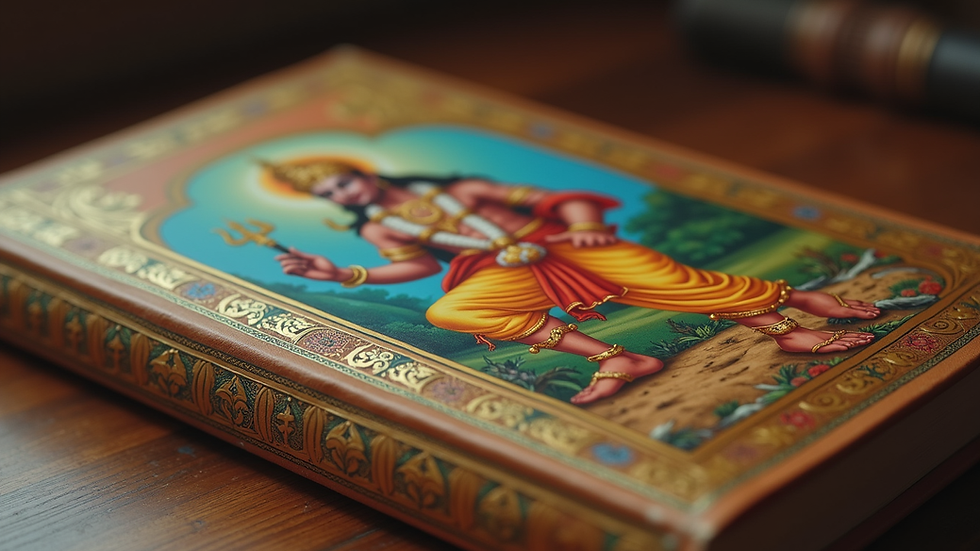
Ancient Indian wisdom encompasses a variety of teachings, including those found in texts like the Vedas, Upanishads, and the Bhagavad Gita. These texts provide insights into ethics, morality, and the nature of existence. Introducing children to these concepts can foster critical thinking, empathy, and a sense of responsibility.
Key Concepts to Explore
Dharma (Righteousness)
Dharma refers to the moral and ethical duties that individuals must follow. Teaching children about dharma can help them understand the importance of making the right choices and being accountable for their actions.
Karma (Action and Consequence)
The principle of karma emphasizes that every action has consequences. This concept can help children grasp the idea that their choices impact not only their lives but also the lives of others.
Ahimsa (Non-violence)
Ahimsa is the practice of non-violence in thought, word, and deed. Instilling this value in children can promote compassion and understanding towards others, fostering a more peaceful environment.
Samsara (Cycle of Life)
The concept of samsara teaches that life is a cycle of birth, death, and rebirth. Understanding this can help children appreciate the transient nature of life and the importance of living in the present.
Yoga and Meditation
Ancient Indian practices like yoga and meditation promote physical health and mental well-being. Introducing these practices to children can help them develop focus, reduce stress, and enhance their overall quality of life.

Engaging Activities to Introduce Ancient Wisdom
To make ancient Indian wisdom relatable and engaging for children, consider incorporating the following activities into their learning experience:
Storytelling Sessions
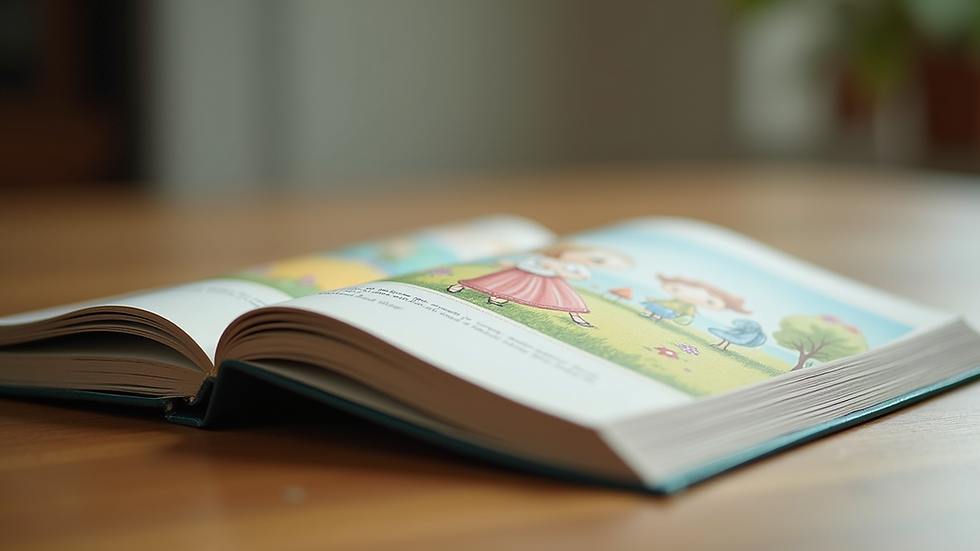
Stories from ancient texts can captivate children's imaginations. Choose age-appropriate tales that illustrate key concepts like dharma and karma. For example, the story of King Harishchandra, known for his unwavering commitment to truth, can teach children about the importance of honesty.
Creative Arts and Crafts
Encourage children to express their understanding of ancient wisdom through art. They can create drawings or paintings that represent concepts like ahimsa or the cycle of life. This hands-on approach allows them to internalize these teachings creatively.
Nature Walks and Observations
Take children on nature walks and encourage them to observe the interconnectedness of life. Discuss how every living being plays a role in the ecosystem, reflecting the principles of karma and samsara. This activity fosters a sense of responsibility towards nature.
Yoga and Mindfulness Practices
Introduce children to simple yoga poses and mindfulness exercises. These practices can help them develop focus and emotional regulation. Consider using stories or themes from ancient wisdom to guide their practice, making it more meaningful.
Group Discussions and Debates
Organize group discussions or debates on topics related to ancient wisdom. Encourage children to express their thoughts and opinions while respecting differing viewpoints. This activity promotes critical thinking and communication skills.
Resources for Parents and Educators
To further explore ancient Indian wisdom, parents and educators can utilize various resources:
Books
The Bhagavad Gita for Children by Roopa Pai
The Panchatantra by Vishnu Sharma
Amma, Tell Me About Holi! by Bhakti Mathur
Online Courses
Websites like Coursera and Udemy offer courses on Indian philosophy and spirituality tailored for children.
Documentaries and Films
Look for documentaries that explore Indian culture and philosophy. Films like Little Buddha can spark interest in ancient teachings.
Workshops and Classes
Many community centers offer workshops on yoga, meditation, and Indian philosophy. These can provide hands-on experiences for children.
Conclusion
Introducing children to ancient Indian wisdom is not just about imparting knowledge; it is about nurturing their character and helping them navigate the complexities of life. By exploring concepts like dharma, karma, and ahimsa, we can equip them with the tools they need to become compassionate, responsible individuals.
Encourage your children to engage with these teachings through storytelling, creative activities, and mindfulness practices. As they discover the richness of ancient wisdom, they will develop a deeper understanding of themselves and the world around them. Let us embark on this journey together, guiding our children towards a brighter, more enlightened future.
You have done a great a job Kuldeep… Have been hearing you for a long while now …This inculcation is very much needed for the upcoming generations … it has to pass on and shouldn’t end with us ..!!
My best wishes to you and your team , always 🙌🙌
Santana Dharama Vijayi Bhava 🙏🙏