Engaging Storybooks about Sanatan Dharma for Children

In a world filled with distractions, finding ways to engage children with meaningful stories can be a challenge. Sanatan Dharma, often referred to as Hinduism, offers a rich tapestry of tales that not only entertain but also impart valuable life lessons. This blog post explores some of the most engaging storybooks about Sanatan Dharma that can captivate young minds and instill a sense of cultural pride and moral values.
The Importance of Storytelling in Sanatan Dharma
Storytelling has always been a vital part of Sanatan Dharma. The ancient scriptures, epics, and folklore are filled with narratives that convey profound truths and ethical teachings. These stories serve multiple purposes:
Cultural Transmission: They help pass down traditions and values from one generation to the next.
Moral Lessons: Many stories contain moral dilemmas that encourage children to think critically about right and wrong.
Spiritual Growth: They introduce children to concepts of spirituality and the divine in an accessible manner.
By reading these stories, children can develop a deeper understanding of their heritage and the principles that guide their lives.
Recommended Storybooks
1. "The Ramayana: A Tale of Lord Rama" by Arshia Sattar
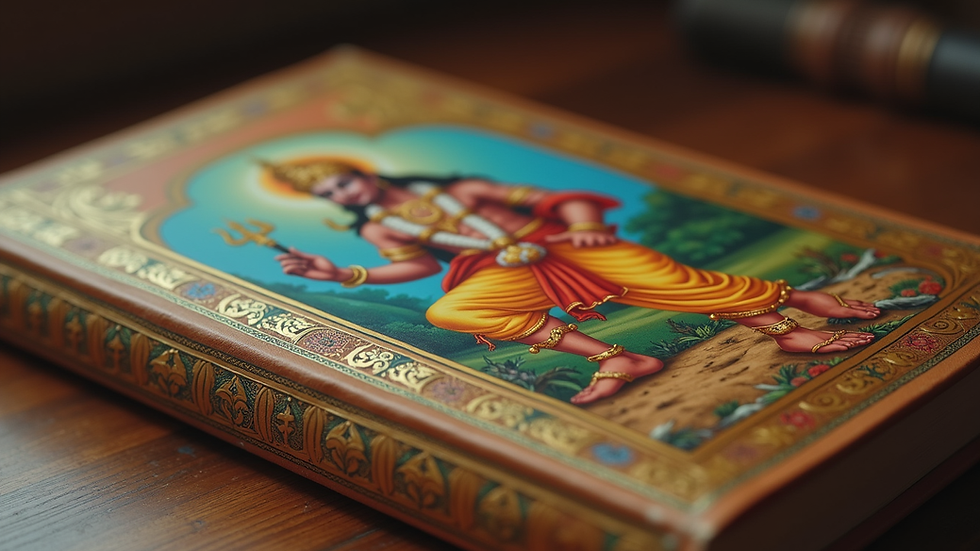
This beautifully illustrated retelling of the Ramayana is perfect for children. Arshia Sattar simplifies the epic tale of Lord Rama, his wife Sita, and the battle against the demon king Ravana. The book emphasizes values such as duty, honor, and love, making it a great choice for young readers.
2. "The Mahabharata: A Child's View" by Kamala Chandrakant
This adaptation of the Mahabharata is tailored for children, presenting the complex narrative in an engaging and understandable way. It covers key events, such as the game of dice and the Kurukshetra war, while highlighting the importance of dharma (righteousness) and the consequences of choices.
3. "Ganesha's Sweet Tooth" by Sanjay Patel and Emily Haynes
This delightful story introduces children to Lord Ganesha, the remover of obstacles. The book narrates how Ganesha overcomes challenges to enjoy his favorite sweets. The vibrant illustrations and playful narrative make it a fun read, while also teaching children about perseverance and creativity.
4. "The Adventures of Krishna" by Ramesh Menon
This book brings to life the childhood adventures of Lord Krishna, filled with mischief and divine playfulness. It captures the essence of Krishna's character and teaches children about love, friendship, and the importance of standing up for what is right.
5. "The Story of Diwali" by Rina Singh
Diwali, the festival of lights, is celebrated with great enthusiasm in many households. This book explains the significance of Diwali through engaging stories and illustrations. It teaches children about the triumph of light over darkness and good over evil, making it a perfect read during the festive season.
Engaging Activities to Enhance Learning
Reading these storybooks can be further enriched with engaging activities that help children connect with the stories on a deeper level. Here are some ideas:
Storytelling Sessions: Organize storytelling sessions where children can narrate their favorite stories from the books. This encourages public speaking and boosts confidence.
Art and Craft: After reading a story, children can create art based on their favorite characters or scenes. This fosters creativity and allows for personal expression.
Discussion Groups: Create small discussion groups where children can share their thoughts on the moral lessons learned from the stories. This promotes critical thinking and dialogue.
The Role of Illustrations in Storybooks
Illustrations play a crucial role in children's storybooks, especially when it comes to complex narratives like those found in Sanatan Dharma. Here’s why they matter:
Visual Engagement: Colorful illustrations capture children's attention and make the stories more engaging.
Understanding Concepts: Visuals help in understanding abstract concepts, making it easier for children to grasp the essence of the stories.
Cultural Representation: Illustrations can depict traditional attire, settings, and symbols, providing children with a visual connection to their culture.
Conclusion
Engaging storybooks about Sanatan Dharma are not just a source of entertainment; they are valuable tools for education and moral development. By introducing children to these stories, we can help them build a strong foundation of cultural identity and ethical values.
Encourage your children to explore these books and immerse themselves in the rich narratives of Sanatan Dharma. Not only will they enjoy the stories, but they will also learn important life lessons that will guide them as they grow.
As you embark on this literary journey, consider visiting your local library or bookstore to find these titles. Happy reading!

Comments